The Persistent Search for Nadir Khayat Net Worth: Unpacking the Digital Mystery
In an age where information is ostensibly at our fingertips, certain search queries can lead to unexpected dead ends. One such query that frequently surfaces, capturing the curiosity of many, is for nadir khayat net worth. Individuals often turn to search engines hoping to uncover details about public figures, their achievements, and, inevitably, their financial standing. However, as many discover when seeking specific details about Nadir Khayat's net worth, the path to verifiable information isn't always clear-cut. This article aims to delve into why such data gaps exist, how to interpret the available information (or lack thereof), and what this means for those curious about the financial portfolios of less-publicized personalities.
The desire to understand an individual's net worth stems from various interests – from admiring their career success and wanting to quantify it, to simply satisfying a general curiosity. When it comes to figures like Nadir Khayat, the public's interest is evident in the volume of searches. Yet, the challenge lies in the nature of wealth itself: it's often a private matter, and unless an individual is a CEO of a publicly traded company, a major political figure with financial disclosure requirements, or a celebrity who frequently discusses their finances, obtaining precise, verifiable figures can be incredibly difficult. The internet, while vast, doesn't always have the answers to every private question, especially concerning personal finances.
Navigating the Information Void: Why Data Gaps Occur for Nadir Khayat Net Worth Searches
The quest to pinpoint an accurate nadir khayat net worth frequently leads searchers into an information void. This isn't unique to Nadir Khayat; it's a common experience when researching individuals who are not extensively covered by major financial news outlets or who operate primarily outside the public eye. Several factors contribute to these persistent data gaps, making it challenging to find a definitive answer:
- Privacy by Choice: Many successful individuals, regardless of their professional achievements, simply prefer to keep their financial affairs private. There's no legal obligation for most private citizens to disclose their wealth, and for good reason.
- Lack of Public Financial Records: Unlike executives of publicly traded corporations whose compensation and stock holdings are often disclosed in annual reports (e.g., 10-K filings), private individuals do not have such public reporting requirements. Their assets, investments, and earnings remain confidential.
- Unverifiable Sources and Estimations: Much of the "net worth" information available online, especially for non-A-list celebrities or entrepreneurs, is speculative. These figures are often educated guesses made by various websites, based on career milestones, industry averages, and known assets, but rarely backed by hard evidence. These estimations can vary wildly and are often updated infrequently.
- Dynamic Nature of Wealth: A person's net worth is not a static number. It fluctuates constantly based on market performance, investments, expenditures, and new ventures. A figure reported today could be significantly different tomorrow, making any single published number quickly outdated.
- The Challenge of Asset Valuation: True net worth includes all assets (real estate, investments, businesses, intellectual property) minus liabilities (debts, mortgages). Accurately valuing these, especially private business interests or illiquid assets, requires detailed knowledge often inaccessible to the public.
When searching for Nadir Khayat's net worth, users might also encounter a peculiar problem: search results that seem entirely unrelated. This can include definitions of the word "nadir," which signifies the lowest point or rock bottom. While semantically intriguing, it highlights how search algorithms sometimes conflate a proper noun with a common dictionary term, further complicating the search for specific biographical or financial data. This phenomenon underscores the need for users to be discerning about their search results and understand the limitations of broad internet queries. For a deeper dive into the word itself, you might explore Beyond Nadir Khayat Net Worth: Exploring the Meaning of 'Nadir'.
Distinguishing Between the Person and the Word 'Nadir'
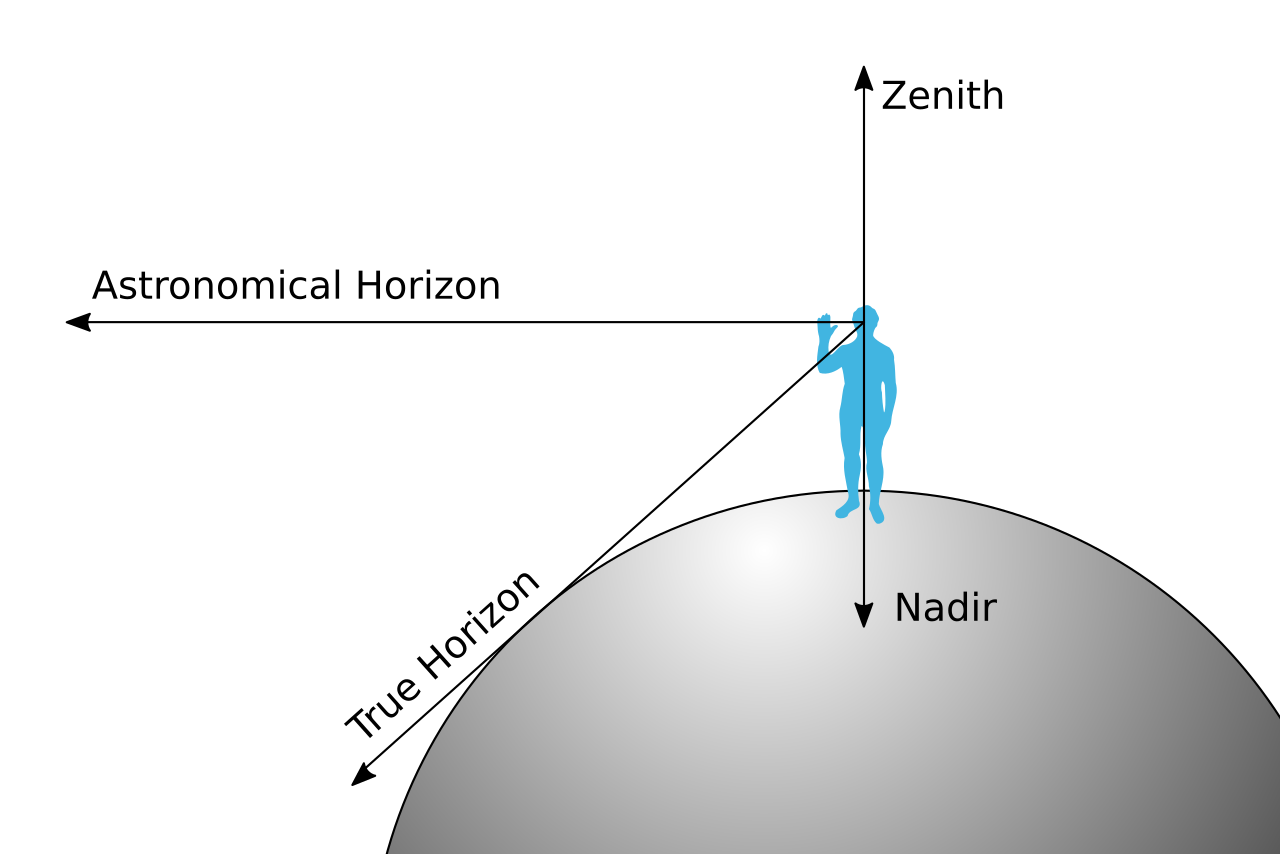
The word "nadir" itself, independent of the name, holds a powerful meaning. As dictionary entries consistently state, it refers to the lowest point, the rock bottom, or the point directly opposite the zenith in the celestial sphere. This concept, while fascinating, has no direct bearing on the financial standing of an individual named Nadir Khayat. However, its presence in search results for nadir khayat net worth can be a source of confusion. It serves as an excellent example of how lexical ambiguity can impact search engine effectiveness, leading users away from their intended target. Understanding this distinction is crucial for anyone trying to navigate the digital landscape effectively. It highlights the importance of specific, nuanced search queries and the recognition that not all results are directly relevant to one's initial intent.
Strategies for Researching Financial Information (When Available)
While the search for a definitive nadir khayat net worth might prove challenging, there are general strategies for approaching financial research about public figures or influential individuals. These methods focus on verifiable sources and understanding the nuances of wealth reporting:
- Focus on Career Achievements and Public Ventures: Instead of a specific number, look for information about their significant business ventures, successful companies they've founded or led, major deals they've been involved in, or any public investments. These achievements indirectly indicate financial success.
- Consult Reputable Financial News: Sources like Bloomberg, Forbes, The Wall Street Journal, or credible business sections of major newspapers are more likely to report on high-net-worth individuals, especially if they are involved in publicly traded companies or significant economic events. Be wary of lesser-known "celebrity net worth" sites that often publish unverified figures.
- Look for Official Filings (if applicable): If the individual holds a senior position in a publicly traded company, their compensation and stock ownership might be detailed in SEC filings (like proxy statements or annual reports). This is a rare instance of truly verifiable financial data.
- Understand the Difference Between Wealth and Income: A high income does not always equate to a high net worth, and vice-versa. Someone might earn a substantial salary but have significant debts or spending habits. Conversely, someone with a modest income might have accumulated considerable wealth through wise investments over time.
- Be Skeptical of Specific Figures: If a net worth figure appears without any citation or explanation of how it was calculated, treat it with extreme skepticism. Without transparent methodology, such numbers are often educated guesses at best, and pure speculation at worst.
The "elusive" nature of some net worth searches, including for Nadir Khayat, often leads to a broader understanding of how wealth information is gathered, reported, and verified. For more on this topic, consider reading The Elusive Nadir Khayat Net Worth: What Our Search Revealed.
The Ethics of Net Worth Reporting and Privacy
The widespread interest in nadir khayat net worth, and indeed the net worth of any individual, brings to light important ethical considerations regarding privacy. While public figures often face a reduced expectation of privacy, there's a fine line between legitimate public interest and intrusive curiosity. The fundamental question revolves around who has a right to know and what impact such disclosures have.
For individuals who haven't chosen a life in the public spotlight that mandates financial transparency, their wealth remains a deeply personal matter. Reporting on estimated net worth figures without their consent can be misleading, potentially harmful, and often based on incomplete information. It can create unwarranted attention, misrepresent their financial reality, and even expose them to risks. Respecting privacy where it is not legally or ethically waived is paramount.
Furthermore, the prevalence of unverified net worth estimates online contributes to a culture of misinformation. Users, eager for quick answers, might inadvertently lend credibility to figures that are pure conjecture. This underscores the responsibility of both content creators and consumers to prioritize accuracy, verify sources, and understand the ethical implications of discussing private financial details.
Conclusion
The journey to uncover nadir khayat net worth serves as a potent reminder of the complexities inherent in digital information retrieval. While the internet offers an unparalleled volume of data, it also presents challenges in accuracy, verification, and the respecting of personal privacy. The data gap surrounding an individual's precise net worth is often a deliberate choice by the individual, reinforced by the lack of public disclosure requirements for most private citizens. Rather than a definitive number, insights into a person's financial standing are more reliably found by observing their career trajectory, public achievements, and affiliations with verifiable business entities. As searchers, cultivating a critical eye, verifying sources, and understanding the ethical boundaries of information are far more valuable than blindly trusting speculative figures. Ultimately, some questions, particularly those concerning personal finances, may simply not have a definitive, publicly accessible answer.
